
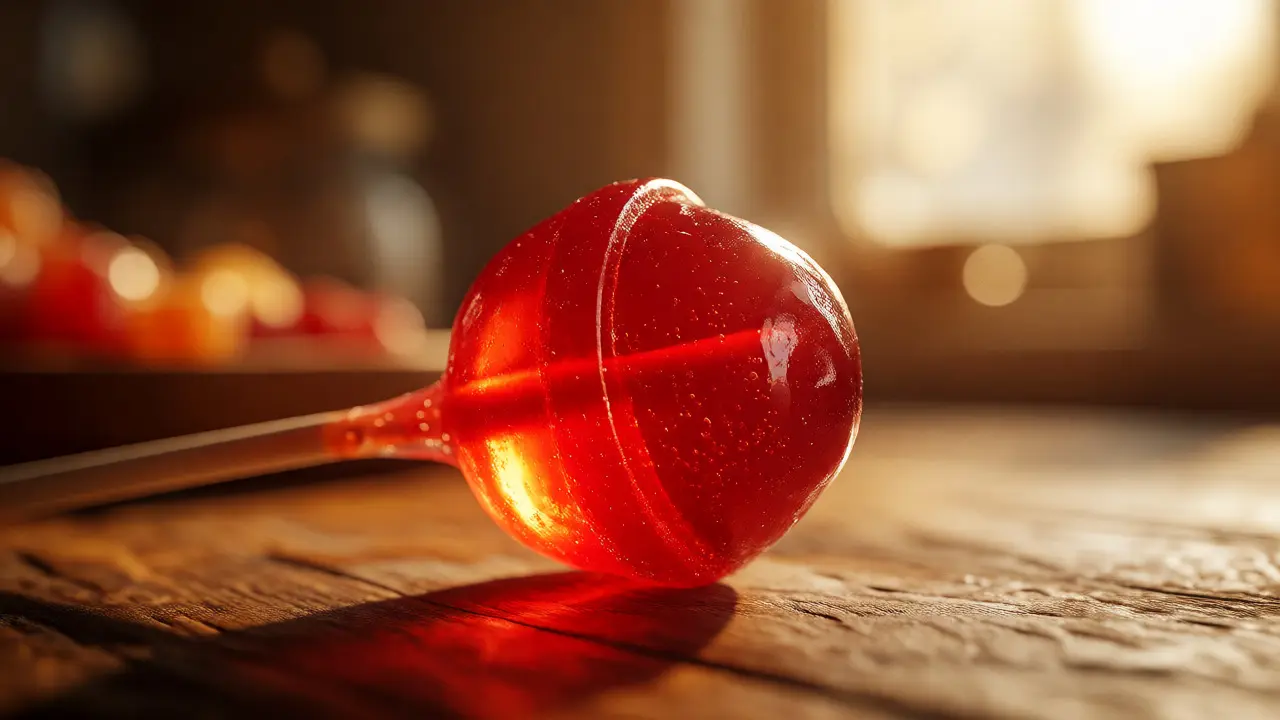
Have you ever found a cannabis lollipop or a gummy bear hiding in the back of your pantry, forgotten for six months? You unwrap it, take a bite, and wait. The effect is there, but it feels... different. Weaker. Slower. It’s not just in your head-candy edibles absolutely lose potency over time, though they rarely go completely flat.
The culprit isn’t magic; it’s chemistry. Specifically, the degradation of THC (tetrahydrocannabinol) into CBN (cannabinol). If you’ve been wondering whether that old stash is still worth eating, or if you’re trying to stock up on sweets without wasting money, this guide breaks down exactly what happens to your edibles, how long they last, and how to keep them fresh.
The Science: Why Potency Drops
Cannabis compounds are volatile. They don’t like heat, light, or oxygen. When you bake a brownie or melt sugar for a lollipop, you’re trapping cannabinoids inside a matrix of fats, sugars, or gelatin. This matrix protects them somewhat, but it’s not a force field.
The primary process at work here is oxidation. Over time, THC reacts with oxygen in the air. This chemical reaction converts THC into CBN. Here’s the kicker: CBN is psychoactive, but barely. While THC gets you high, CBN is mostly sedative and offers only about 10% of the psychoactive strength of THC. So, as your edible ages, you aren’t just losing potency-you’re changing the nature of the experience. You might feel less euphoric and more sleepy or "stoney."
Temperature plays a massive role here too. Every 10°C increase in temperature roughly doubles the rate of chemical reactions. Storing your edibles in a hot kitchen drawer will degrade them significantly faster than keeping them in a cool, dark cupboard.
How Long Do Candy Edibles Last?
There is no single expiration date for all edibles because it depends entirely on the ingredients. Sugar acts as a preservative, while fats (like butter or oil) can go rancid. Gelatin-based gummies have a different shelf life than hard candies or chocolate bars.
| Edible Type | Primary Ingredient | Optimal Storage | Estimated Peak Potency Duration |
|---|---|---|---|
| Hard Candies/Lollipops | Sugar/Glucose Syrup | Airtight container, room temp | 6-12 months |
| Gummies | Gelatin/Pectin + Oil | Fridge, airtight | 3-6 months |
| Chocolate Bars | Cocoa Butter/Milk | Cool, dark place (not fridge unless sealed) | 4-8 months |
| Baked Goods (Brownies/Cookies) | Butter/Oil + Flour | Fridge or Freezer | 1-3 months (refrigerated) |
Notice the pattern? Hard candies last the longest because sugar is hygroscopic (it holds water) and doesn’t spoil easily. Chocolate and baked goods contain fats, which oxidize and turn rancid. Rancid fat tastes bad, but it also accelerates cannabinoid breakdown. If your brownie smells like old crayons or playdough, the fats have gone off, and the THC has likely degraded alongside them.
Signs Your Edibles Have Gone Bad
You don’t need a lab test to know if your edibles are past their prime. Your senses are good enough. Here is what to look for:
- Texture Changes: Gummies becoming rock hard or sticky and slimy. Chocolate developing white spots (bloom). While bloom is harmless, excessive stickiness in gummies often means moisture ingress, which invites mold.
- Smell: Fresh edibles smell like the flavoring (strawberry, mint, etc.). Old ones smell stale, cardboard-like, or slightly sour. If you detect a sharp, unpleasant odor, toss it.
- Taste: The most obvious sign. If it tastes flat or bitter beyond the expected herbal note, the terpenes and cannabinoids have broken down.
- Visual Mold: Especially in low-sugar or high-moisture items like soft cookies or homemade fudge. Any fuzzy spots mean immediate disposal.

Storage Tips to Maximize Potency
If you want your cannabis lollipops or gummies to stay potent for as long as possible, treat them like fine wine. Or better yet, like delicate electronics.
1. The Air-Tight Rule
Oxygen is the enemy. Never leave an opened bag of gummies on the counter. Transfer them to a glass jar with a rubber seal or a high-quality plastic container with a locking lid. Squeeze out as much air as possible before sealing. Vacuum sealing is even better for long-term storage.
2. Light Protection
UV light breaks down cannabinoids rapidly. Clear containers look nice, but they let light in. Use opaque containers or store clear jars inside a dark cabinet. If you buy edibles in clear packaging, move them immediately upon opening.
3. Temperature Control
Room temperature (around 20°C / 68°F) is fine for short-term storage of hard candies. For anything containing fats or oils, cooler is better. Refrigeration slows down degradation significantly. However, be careful with condensation. If you put cold edibles into a warm room, moisture forms on the surface, which can ruin texture and promote mold. Always let them come to room temperature in the sealed container before opening.
4. Freeze for Long Term
Yes, you can freeze edibles. This is the best way to preserve potency for a year or more. Wrap individual pieces in parchment paper, then place them in a freezer-safe bag. Remove as much air as possible. Thaw slowly in the fridge or on the counter before eating. Note that freezing may alter the texture of some items (chocolate might become crumbly, gummies might change chewiness), but the potency remains largely intact.
Does Degraded Potency Mean It’s Unsafe?
This is a common worry. If your gummy lost half its THC, is it dangerous to eat? Generally, no. Cannabinoids do not become toxic when they degrade. They simply become less effective or shift toward non-psychoactive or mildly sedative compounds like CBN. The main safety risk comes from microbial growth (mold/bacteria) due to improper storage, not from the cannabinoids themselves.
However, if the product contains dairy or eggs (like cream-filled chocolates or custard tarts), standard food safety rules apply. Those items can harbor bacteria if left out too long, regardless of the cannabis content.
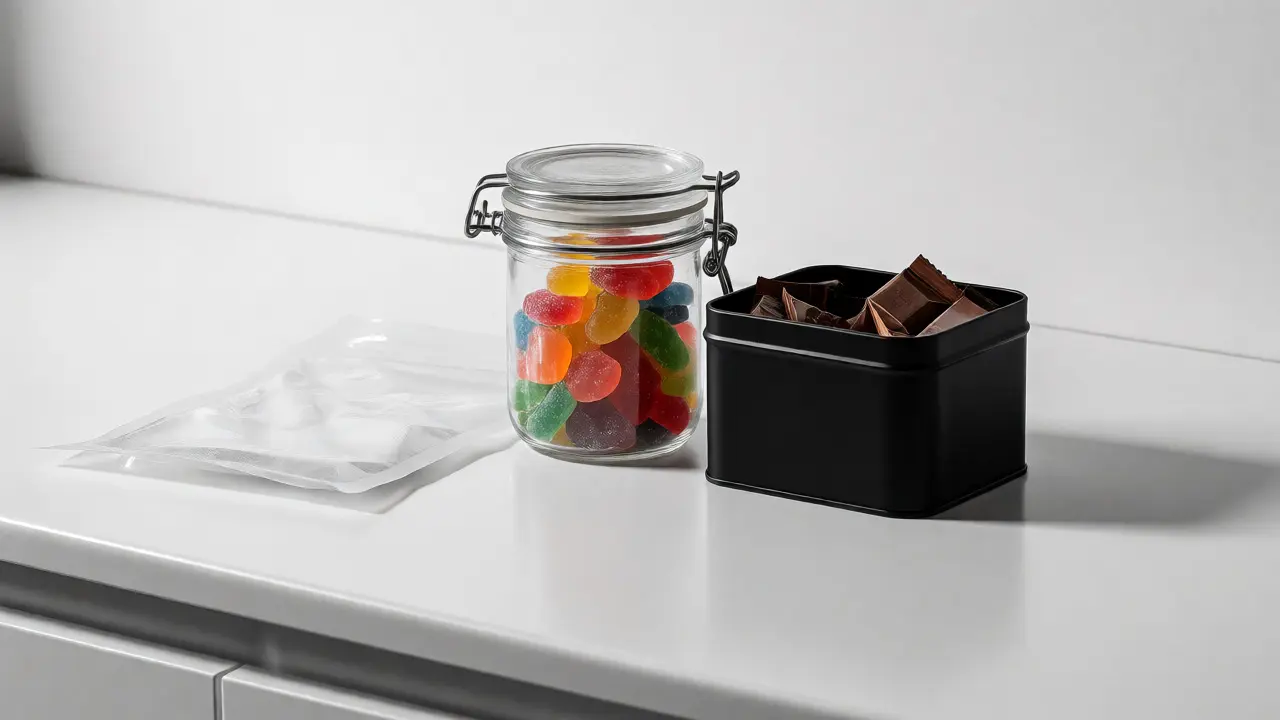
Buying Strategy: Stock Up or Buy Fresh?
Given that potency drops, should you buy in bulk? It depends on your consumption rate.
If you consume edibles daily, buying in bulk makes sense. You’ll use them within their peak window. If you only enjoy a lollipop once a month, buy smaller quantities. There’s little benefit to hoarding a year’s supply of gummies if they’ll be half-strength by the end.
Pro tip: Check the manufacturing date if available. Some premium brands print a "best by" date. If it’s missing, ask the dispensary. In many regions, regulations require labeling, so use this information to gauge freshness.
Conclusion: Eat Smart, Store Smart
So, do candy edibles lose potency? Yes. But they don’t vanish overnight. With proper storage-cool, dark, and air-tight-you can extend their life significantly. Hard candies are your best bet for longevity, while fatty baked goods need refrigeration or freezing.
Don’t throw away older edibles immediately. They might just need a higher dose to achieve the same effect, provided they haven’t gone rancid or molded. Test cautiously. Start with half your usual dose to gauge the changed potency. Your palate and your patience will thank you.
Can I make my own cannabis lollipops at home?
Yes, making homemade cannabis lollipops is popular. You infuse decarboxylated cannabis into melted sugar syrup or glucose. Because you control the ingredients, you can avoid preservatives that might affect taste. However, homemade versions lack commercial stabilizers, so they have a shorter shelf life-typically 2-4 weeks in the fridge.
Does freezing cannabis edibles destroy THC?
No, freezing does not destroy THC. In fact, it preserves it very well. Low temperatures slow down the chemical reactions that degrade cannabinoids. Just ensure the edibles are tightly wrapped to prevent freezer burn and odor absorption.
Why do my old edibles make me sleepy instead of happy?
This is likely due to the conversion of THC to CBN (cannabinol) through oxidation. CBN is known for its sedative effects. As edibles age and are exposed to air and light, this conversion increases, shifting the experience from energetic/euphoric to relaxing/sleep-inducing.
Is it safe to eat edibles past the expiration date?
Usually, yes, if stored properly. The "expiration date" is often a quality indicator rather than a safety one. Check for signs of spoilage like mold, weird smells, or texture changes. If it looks and smells fine, it’s likely safe, though potentially less potent.
Do hard candies last longer than gummies?
Yes. Hard candies are primarily sugar, which is a natural preservative and resistant to bacterial growth. Gummies contain gelatin and often oils, which are more prone to drying out, absorbing moisture, or going rancid. Therefore, hard candies generally maintain their structure and potency longer.